
Blog
The Benefits of Variable-Speed
Posted: 15.09.2026
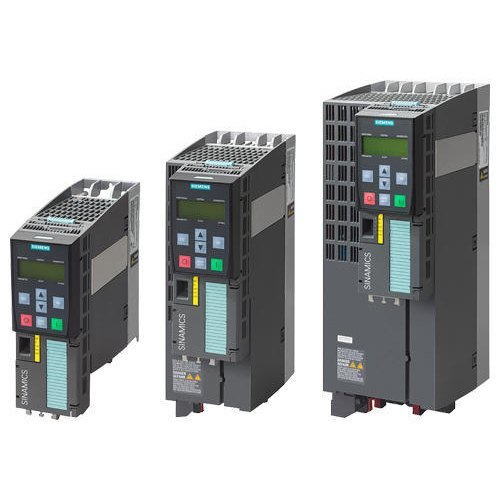
HVAC systems rarely need to operate at full capacity all day. Cooling demand changes with outdoor temperature, occupancy, equipment loads and the time of day. A variable-speed HVAC system responds to those changes by adjusting its output instead of repeatedly running at full power and switching off.
For buildings in Qatar, where air-conditioning can account for a significant share of electricity use, matching HVAC output to actual demand can improve comfort and help reduce wasted energy. The result depends on correct equipment selection, control design and commissioning, but the operating principle is simple: deliver only the airflow, water flow or cooling capacity the building needs.
How Do Variable-Speed HVAC Systems Work?
“Variable speed” can describe several technologies. In packaged and residential air-conditioning equipment, an inverter-driven compressor can increase or decrease cooling capacity. In commercial buildings, a variable frequency drive (VFD), also called a variable speed drive (VSD), controls the speed of motors serving fans, pumps and other HVAC equipment.
Sensors and controllers monitor conditions such as temperature, pressure, airflow or water flow. The building management system or local controller then sends a demand signal to the drive. When demand falls, the motor slows down; when demand rises, it speeds up within the system’s approved operating limits.
Key Benefits of Variable-Speed HVAC Systems
1. Lower Energy Consumption
Fixed-speed motors are often sized for peak conditions even though most operating hours occur at partial load. A VFD allows a fan or pump to reduce speed when full output is unnecessary. Because centrifugal fan and pump power falls quickly as speed is reduced, properly designed variable-flow systems can use substantially less electricity than constant-speed operation.
2. More Stable Temperature and Comfort
Instead of alternating between maximum output and no output, variable-speed equipment can make smaller adjustments over longer operating periods. This helps reduce noticeable temperature swings and supports more consistent airflow across occupied spaces.
3. Quieter Operation
Fans and compressors generally produce less noise when they operate below maximum speed. Gradual acceleration and deceleration can also reduce the sudden sound associated with conventional equipment starting and stopping.
4. Reduced Mechanical Stress
Soft starting limits the electrical and mechanical shock created by across-the-line motor starts. Fewer hard starts can reduce stress on belts, bearings and other connected components. This does not replace preventive maintenance, but it can support more reliable operation when the drive is selected and commissioned correctly.
5. Better Control and BMS Integration
Modern HVAC drives can work with sensors, controllers and building management systems to maintain pressure, temperature or flow setpoints. Depending on the selected equipment, operators may also gain access to alarms, operating data and diagnostic information that simplify monitoring and troubleshooting.
Common VFD Applications in HVAC
- Supply and return fans in air handling units
- Chilled-water and condenser-water pumps
- Cooling-tower fans
- Variable air volume systems
- Exhaust and ventilation fans
Selection and Commissioning Matter
A variable-speed drive must match the motor, electrical supply, environmental conditions and control strategy. Engineers should also consider harmonics, electromagnetic compatibility, enclosure protection, minimum safe speeds and bypass requirements. Poor selection or incorrect programming can reduce performance and reliability, so application review and professional commissioning are essential.
Is Variable-Speed HVAC Worth Considering?
Variable-speed HVAC systems are especially valuable where fans, pumps or compressors operate for long hours under changing loads. They can reduce unnecessary energy use, improve control and create a quieter, more consistent indoor environment. The best results come from evaluating the complete system rather than treating the drive as a stand-alone component.
Looking for a VFD or soft starter for an HVAC application in Qatar? INOVEC Trading can support product selection for your project requirements. Explore our VFD and soft starter solutions or contact our team for technical assistance.
Posted: 15.09.2026
Posted: 15.09.2026